
Cleaning standards for reusing paint brushes

Reusing paint brushes without meeting a clear, consistent cleaning standard almost always leads to ruined finish quality, wasted material, and shortened tool life. Half-cleaned bristles trap dried paint particles that break loose mid-stroke, leave streaks across fresh coats, and contaminate entirely different paint types when you switch projects. A well-defined cleaning standard does not just […]
The initial treatment after cleaning the paintbrush
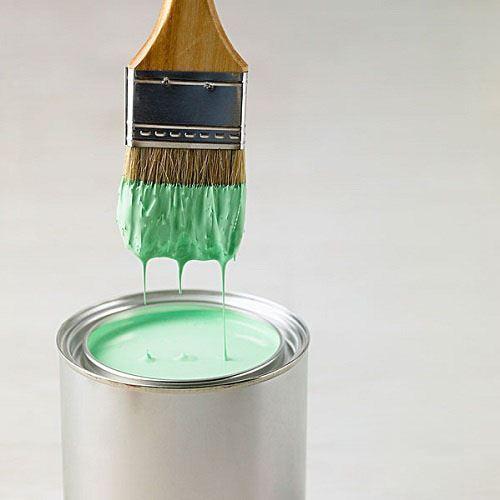
Proper initial handling after cleaning a paint brush sets the foundation for long, consistent performance across many future projects. Skipping these critical first steps can leave residual liquid trapped near the bristle base, leading to bristle fraying, shape distortion, and unexpected paint contamination on your next job. Even if you have removed all visible paint […]
Specific cleaning of the alien-shaped paintbrush
Odd-shaped paint brushes with curved edges, narrow gaps, or irregular bristle arrangements are widely used for detailed painting work on corners, trim lines, carved surfaces, and hard-to-reach spots. Their unique shape makes them far more useful than standard flat brushes for precision work, but it also creates extra challenges when it comes to thorough cleaning. […]
Quick cleaning tips for short-haired paintbrushes
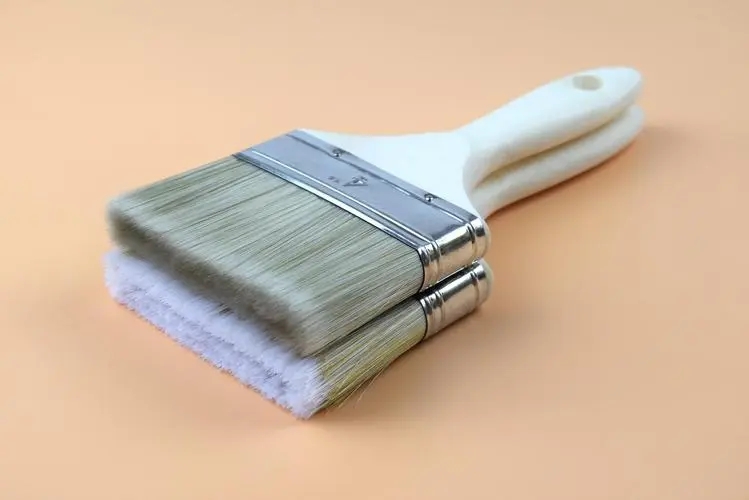
Start your quick cleaning process right after you finish using the short bristle paint brush, as fresh wet paint is far easier to remove than partially dried residue. First, scrape both sides of the bristles gently against the inner edge of your paint container to squeeze out as much excess paint as possible back into […]
The layered cleaning method for the bristled paintbrush
Long-bristle paintbrushes hold far more paint deep in their dense, layered fiber structure than standard short-bristle tools, and rushing the cleaning process almost always leaves dried residue trapped near the base that ruins the brush’s shape over time. A layered cleaning approach works through the bristles step by step, lifting out fresh wet paint first […]
The technique for drying the paintbrush after cleaning it
Effective Spin-Drying Techniques for Clean Paint BrushesProperly drying a freshly cleaned paint brush is one of the most overlooked steps in brush care, and poor drying habits can ruin the shape of bristles, leave trapped moisture in the ferrule, and lead to premature bristle breakage. Simply leaving a wet brush flat on a surface often […]
The environmental advantages and methods of using clean water for cleaning
Water-based cleaning, when approached thoughtfully, stands as one of the most environmentally gentle ways to remove everyday dirt, light grime, and surface contaminants without introducing unnecessary harsh substances into living or working spaces. Many people overlook how much unnecessary chemical load enters local water systems through routine cleaning, and shifting toward water-first methods can create […]
Key points for safe operation of solvent cleaning

Working with cleaning solvents in industrial, workshop, or laboratory settings requires consistent, disciplined operational practices to avoid preventable health risks, fire hazards, and unintended environmental exposure. Even teams that use these materials on a daily basis can develop small, unexamined bad habits over time that gradually increase risk levels, without anyone noticing until a dangerous […]
The inspection method for the paintbrush after cleaning
After a paint brush has gone through its full cleaning cycle, a thorough set of inspection steps is needed to confirm no hidden residual paint, cleaning agent, or mechanical damage remains that could ruin the next painting job. A seemingly clean brush that still holds traces of dried paint deep in its bristles will leave […]