
The operation method of applying paint using the thin-coating technique with a brush
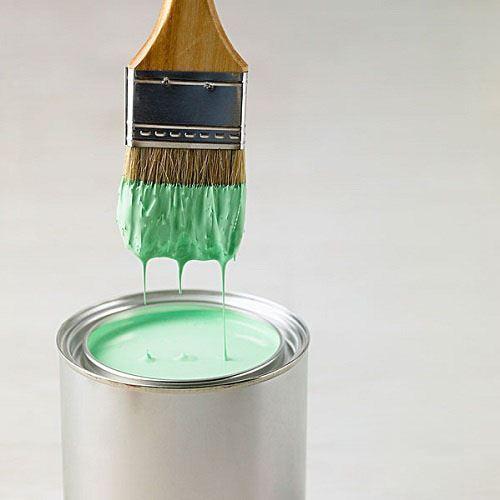
Preparing the Surface and Paint Mixture for Optimal Adhesion Successful thin-coat application begins with meticulous surface preparation. The substrate must be clean, dry, and free of dust, grease, or loose material. Sand the surface with fine-grit sandpaper to create a uniform, slightly textured profile that promotes paint adhesion, then remove all sanding residue. Equally important […]
The painting brush technique for creating relief effects
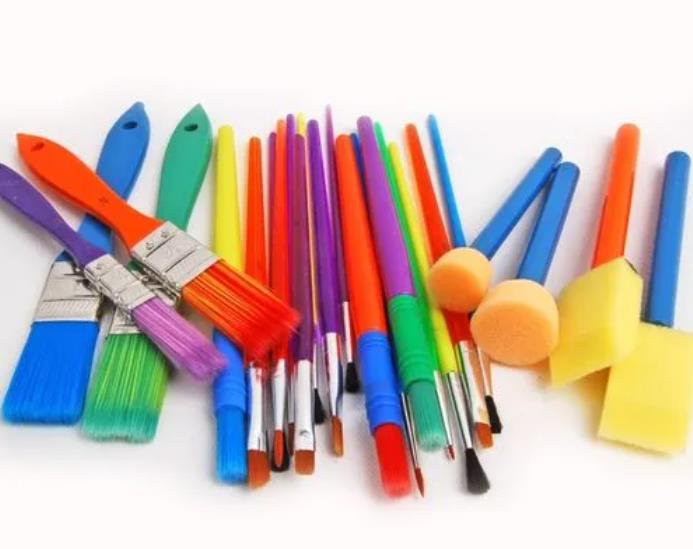
Building on the foundational knowledge of surface preparation and basic tool use, achieving a convincing浮雕效果 (relief effect) with a paint brush involves specialized techniques that manipulate paint viscosity, application pressure, and brushwork to create textured, dimensional patterns. This method, distinct from flat coating, requires moving beyond the standard back-and-forth stroke to employ a more sculptural […]
Method for using the paintbrush for renovating old paint surfaces
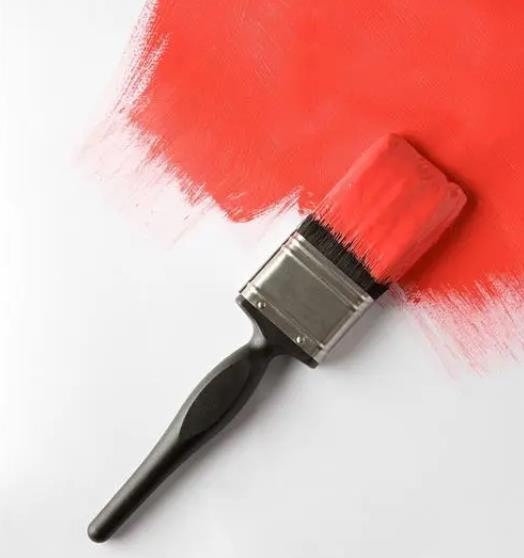
Prepping the Old Surface for New Paint Adhesion Scrub the entire old painted surface with a mixture of warm water and a few drops of mild dish soap, using a soft sponge to remove all loose dirt, grease and chalky residue. Rinse the area thoroughly with clean water and let it dry completely for at […]
The technique for handling the overlapping of paint layers using a paintbrush
Load the Brush to Create a Tapered Wet Edge Dip the brush fully into the paint so the bristles are saturated, then tap off the excess by gently pressing each side of the brush against the inner rim of the bucket. Drag the brush once across a piece of scrap cardboard or the flat part […]
Key points for operating the paintbrush in high-temperature environments
Adjust Your Paint and Brush Prep for Fast-Drying Conditions Stir your paint very slowly and thoroughly before you start, to break up any thin skin that may have formed on top from sitting in the hot air. Pour only the amount of paint you plan to use in the next 30 minutes into your working […]
Techniques for Using Paint Brushes in Low-Temperature Environments

Pre-Warm Bristles and Paint Before You Start Set your unopened paint container in a bucket of lukewarm tap water for 10 to 15 minutes before you crack the lid, to take the sharp chill off the liquid without making it too thin. Run the entire brush under a stream of slightly warm water for 30 […]
The use of paintbrushes for paints of different viscosities
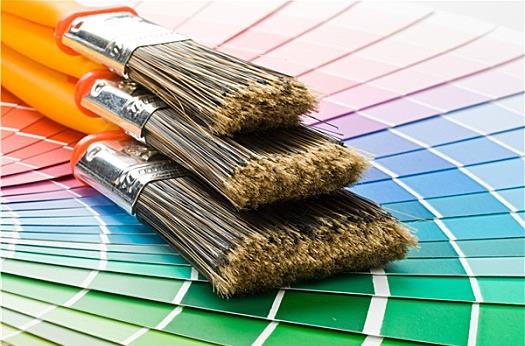
Adjust Bristle Saturation for Thin, Low-Viscosity Paint Dip only the bottom quarter of the bristles into thin, free-flowing paint, instead of submerging a large portion of the brush head. Tap the sides of the brush against the inner rim of the bucket very gently once, to shake off just the lightest excess without stripping too […]
The method for controlling the painting brushing speed
Match Your Stroke Speed to Paint Viscosity and Room Temperature Test how fast the paint flows off the brush with one small practice stroke on a hidden scrap spot before you start the main work. If the paint feels thin and runs easily, slow your strokes down just a little, so you don’t leave behind […]
Basic Tips for Newbies Using Paintbrushes
Pick the Right Bristle Prep Before Your First Dip Run your fingers slowly through the bristles 3 to 4 times before you touch any paint, to pull out any loose stray fibers that would fall off and stick to your fresh work later. Tap the whole brush gently against the edge of a hard surface […]