The technique for cleaning the paintbrush using a combing tool
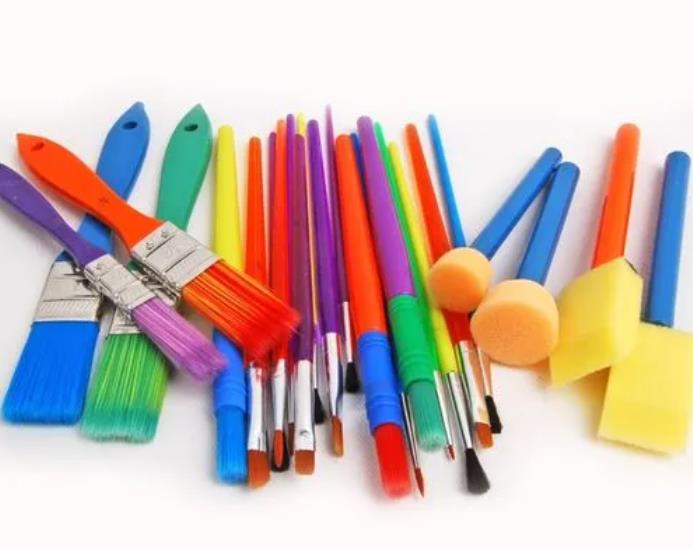
Using a comb-style tool to clean paintbrushes helps preserve bristle shape, strip out trapped dried paint, and extend the usable life of the brush far longer than basic rinsing alone. Many painters skip proper combing steps and end up with misshapen bristles that leave streaks on every new coat, even after repeated washing. The techniques […]
The method of cleaning a paintbrush by soaking it in warm water
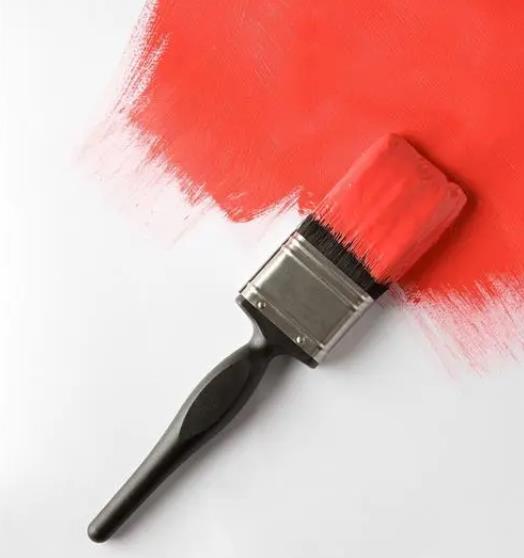
Based on the context of general brush cleaning and maintenance, warm water soaking represents a specific, gentle approach particularly suitable for water-based paint removal from natural and synthetic bristles. Unlike aggressive chemical solvents or mechanical scrubbing, controlled warm water immersion leverages temperature and time to soften and dissolve paint residues without damaging brush structure or […]
Techniques for Removing Residual Paint from Paintbrushes
Effective removal of dried or semi-dried paint from brushes is a fundamental skill that extends the life of your tools and ensures a professional finish on subsequent projects. The method depends entirely on the paint chemistry—water-based or oil-based—and the stage of drying. Using the wrong solvent or technique can permanently damage the bristles, leading to […]
The Importance of Cleaning Paint Brushes in Time After Use
Proper post-use cleaning of paint brushes is not merely a chore to be postponed; it is a critical maintenance practice that directly impacts the quality of future work, the longevity of the tool, and overall project efficiency. Neglecting immediate cleaning can transform a high-quality brush into a useless lump of hardened bristles, leading to unnecessary […]
Solvent cleaning method for oil-based paint brushes
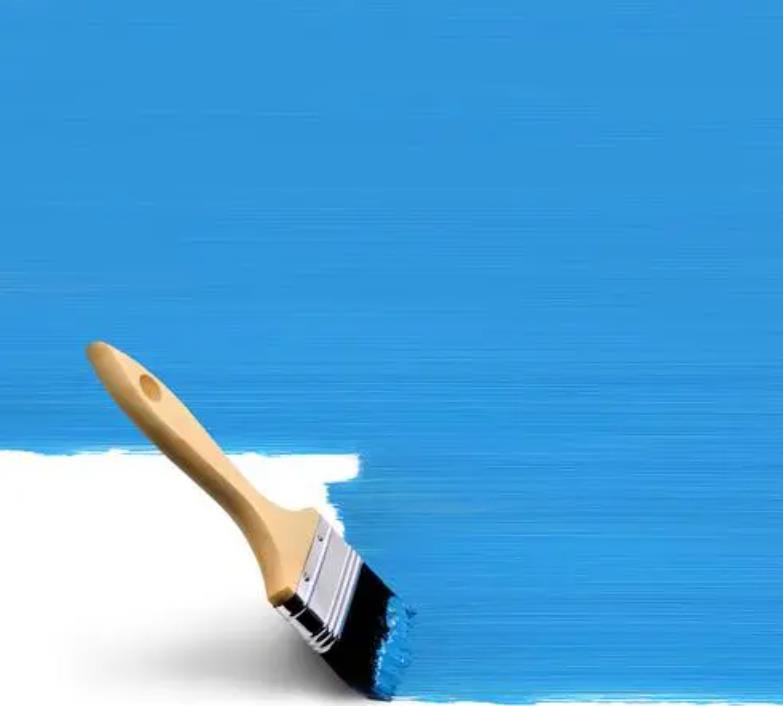
The first step in cleaning a paintbrush used for oil-based paint is to prepare a fully ventilated workspace before you touch any solvent. Open nearby windows, turn on a ventilation fan, and make sure there are no open flames, lit cigarettes, or high-heat sources anywhere near your work area. Many common solvents for oil-based paint […]
The professional operation method for edge finishing with paint brushes

Professional paint brush edging, also known as “cutting in,” is the technique of painting crisp, clean lines along trim, ceilings, corners, and edges where a roller cannot reach. Mastering this skill is fundamental for achieving a polished, high-quality finish and is a prerequisite before any roller work begins. The goal is to create a sharp, […]
Techniques for controlling the amount of paint applied by a paintbrush
Mastering the amount of paint loaded onto a brush is a fundamental skill that directly impacts finish quality, application speed, and material efficiency. Proper loading prevents drips, minimizes brush marks, and ensures consistent coverage, forming the foundation for professional-grade results. Core principles for initial paint loading The first step begins with the paint can. Avoid […]
The segmented painting method for large areas of walls

Successfully painting a large, uninterrupted wall surface requires a methodical approach to maintain a wet edge and avoid visible lap marks, ensuring the final finish appears seamless and uniform. The core challenge is managing the drying time of the paint across a vast area that cannot be completed in one continuous application. A strategic segmentation […]
The construction techniques for painting on the junctions (corners)
Achieving a crisp, professional finish when painting internal and external corners—known as inside (concave) and outside (convex) corners—requires specialized brush techniques. These angles are high-visibility areas where imperfections like drips, uneven coverage, or brush marks are most apparent. Unlike painting a flat wall, corners demand a methodical approach to manage paint application, maintain wet edges, […]