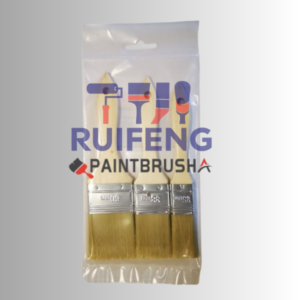
The rinsing step after cleaning the paintbrush
Many people rush through the rinsing stage after cleaning a paint brush, assuming a quick pass under running water is enough to get the job

Many people rush through the rinsing stage after cleaning a paint brush, assuming a quick pass under running water is enough to get the job
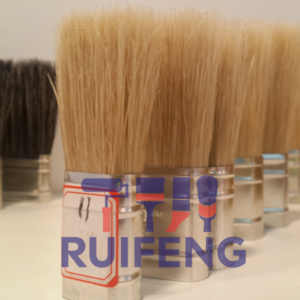
Waterproof cleaning for paintbrushes with wooden handles requires careful, targeted steps that remove all residual paint from bristles and crevices, without warping, cracking, or discoloring
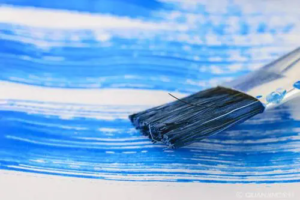
Immediate Post-Use Excess Paint RemovalThe very first step for cleaning a paint brush with a plastic handle starts the moment you finish applying paint, before
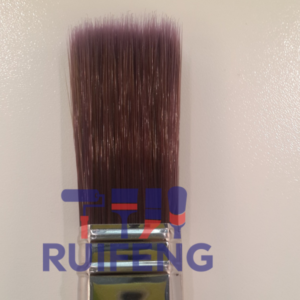
Nylon brushes are widely used for precision cleaning tasks across industrial workshops, electronics assembly lines and fine surface finishing work, thanks to their excellent solvent

Wool bristles hold natural oils and a delicate scale structure that makes them far more sensitive to harsh treatment than synthetic alternatives. Improper washing can
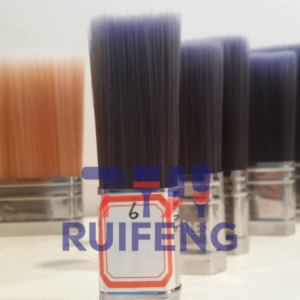
Before starting any cleaning process, gently tap the handle of the brush against the edge of a work surface to shake loose any dry, trapped
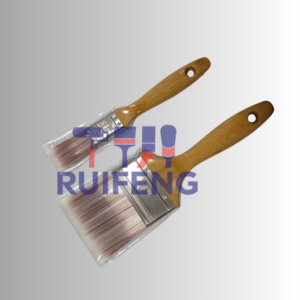
Regular disassembly and cleaning of a roller brush prevents tangled hair, embedded debris, and caked-on residue from ruining cleaning performance, causing unnecessary motor strain, and
Sponge brushes are used across dozens of daily tasks, but most people treat them as disposable items and replace them far earlier than they need
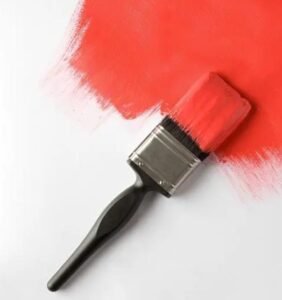
Dried paint residue trapped deep in paint brush bristles is one of the most common issues that ruins brush shape, ruins finish quality, and shortens