Techniques for Using Paint Brushes on Metal Surfaces
Metal surfaces present unique challenges for brush painting, including poor paint adhesion, visible brush marks on smooth finishes, and rapid drying that can leave streaks
Metal surfaces present unique challenges for brush painting, including poor paint adhesion, visible brush marks on smooth finishes, and rapid drying that can leave streaks

Wood surfaces absorb paint unevenly, expand and contract with changes in humidity, and show every tiny brush mark or texture difference under direct light. Small
Flat surfaces like walls, doors, and cabinet panels might seem straightforward to paint, but small, easy-to-overlook habits in how you load your brush and move

Painting curved surfaces like rounded table legs, arched moldings, or curved cabinet doors demands a completely different set of brush movements than working on flat
Applying multiple coats of paint is not just about adding extra layers for coverage, but about building up a smooth, durable finish that hides every

Uneven paint release from a brush often has nothing to do with the brush itself, but with small, easy-to-miss habits in how you load, move,
Faint, visible brush marks left behind in dried paint are not the result of cheap brushes or low-quality paint alone, but small, consistent missteps in
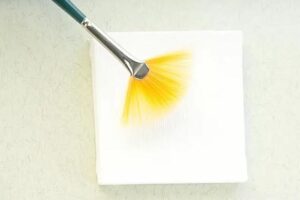
Water-based paint sets much faster than traditional oil coatings, which means small, split-second missteps can leave permanent streaks or lap marks before you even notice
Working with oil-based paint demands far more deliberate, careful movements than water-based alternatives, because this coating sets slower, holds its texture longer, and every small