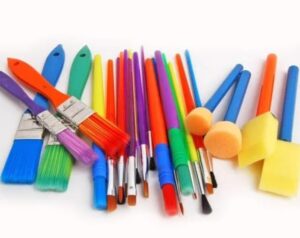
The painting brush technique for creating relief effects
Building on the foundational knowledge of surface preparation and basic tool use, achieving a convincing浮雕效果 (relief effect) with a paint brush involves specialized techniques that

Building on the foundational knowledge of surface preparation and basic tool use, achieving a convincing浮雕效果 (relief effect) with a paint brush involves specialized techniques that
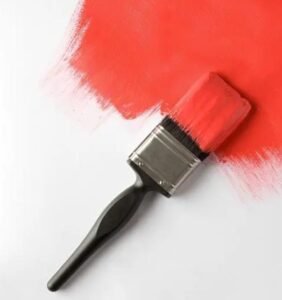
Prepping the Old Surface for New Paint Adhesion Scrub the entire old painted surface with a mixture of warm water and a few drops of
Load the Brush to Create a Tapered Wet Edge Dip the brush fully into the paint so the bristles are saturated, then tap off the
Adjust Your Paint and Brush Prep for Fast-Drying Conditions Stir your paint very slowly and thoroughly before you start, to break up any thin skin
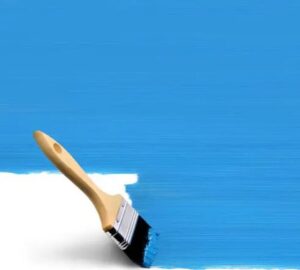
Pre-Warm Bristles and Paint Before You Start Set your unopened paint container in a bucket of lukewarm tap water for 10 to 15 minutes before

Adjust Bristle Saturation for Thin, Low-Viscosity Paint Dip only the bottom quarter of the bristles into thin, free-flowing paint, instead of submerging a large portion
Match Your Stroke Speed to Paint Viscosity and Room Temperature Test how fast the paint flows off the brush with one small practice stroke on
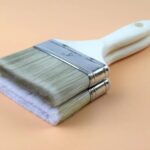
Pick the Right Bristle Prep Before Your First Dip Run your fingers slowly through the bristles 3 to 4 times before you touch any paint,

Pre-Load the Bristles for Maximum Paint Hold Run the full length of the brush bristles under a slow stream of clean water for 2 seconds,